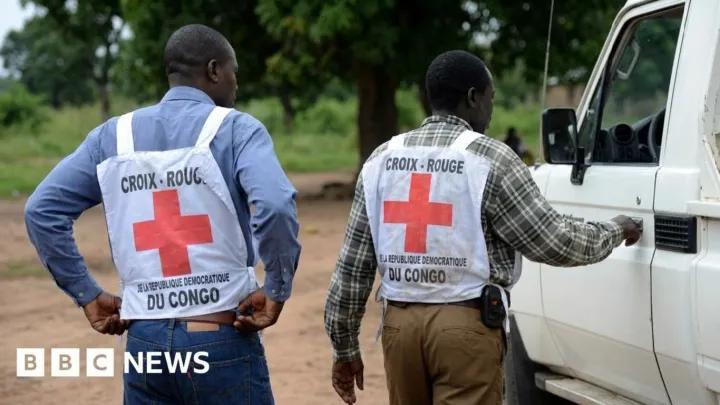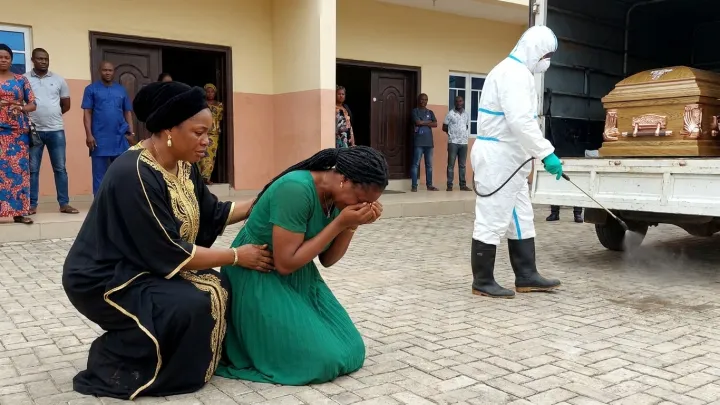
Rising infections in Uganda now carry a human cost the statistics barely show. Three Red Cross volunteers have died from Ebola after returning from a humanitarian mission to DR Congo, where they are believed to have been among the earliest known cases in the current outbreak.
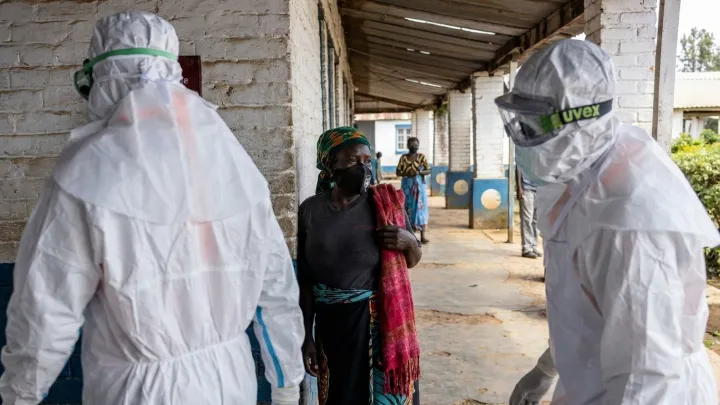
This cluster underlines how frontline aid work routinely collides with virology. Health officials say the volunteers likely acquired the virus while supporting contact tracing and community outreach in affected districts across the border, where hemorrhagic fever and viral load often peak before formal surveillance systems catch up. Their deaths coincide with an uptick in confirmed and suspected cases inside Uganda, prompting expanded screening at border crossings, rapid isolation of symptomatic patients, and reinforcement of infection prevention and control protocols.
What stands out is not only the cross border spread, but the exposure of those meant to contain it. Epidemiologists warn that porous frontiers, frequent population movement, and limited personal protective equipment can turn humanitarian corridors into transmission routes, even when case fatality rates and incubation periods are well understood. Uganda’s health ministry and the national Red Cross have opened investigations into operational safeguards and are monitoring colleagues who worked alongside the volunteers, as laboratories process new blood samples and trace the widening chain of contagion.