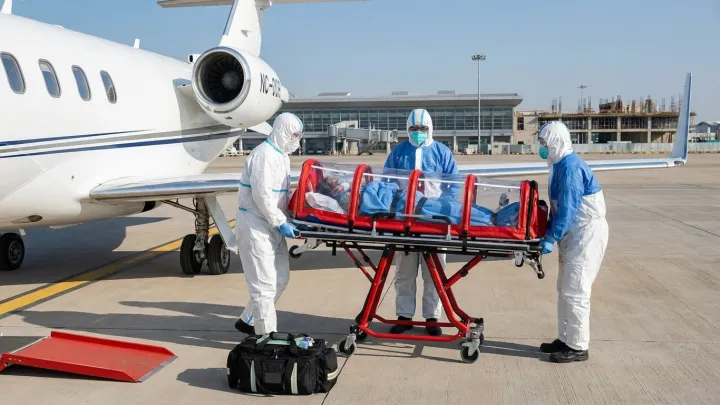
Optimism sounds almost defiant against a virus like Ebola. Yet from an isolation unit in Germany, American physician Peter Stafford has told colleagues he remains hopeful as he undergoes intensive care for an infection he acquired while serving as a medical missionary in the Democratic Republic of Congo.
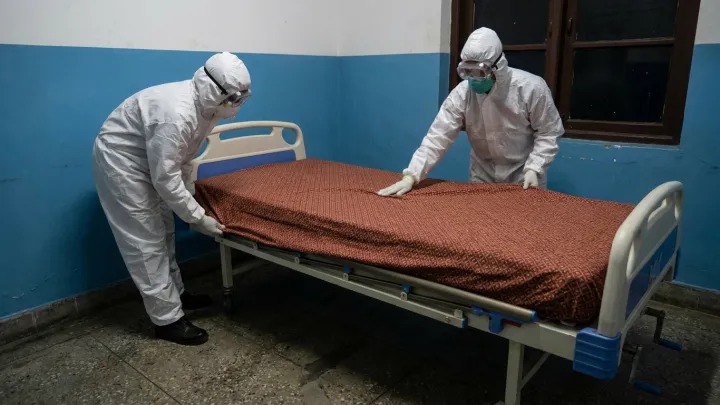
His confidence is not blind faith. It rests on advances in supportive therapy and on experimental monoclonal antibody regimens that can blunt viral replication and give the immune system a chance to respond. Clinicians are tracking his viral load and organ function through continuous monitoring, a level of care that contrasts sharply with what is available in many Ebola-affected communities where basic personal protective equipment can still be scarce.
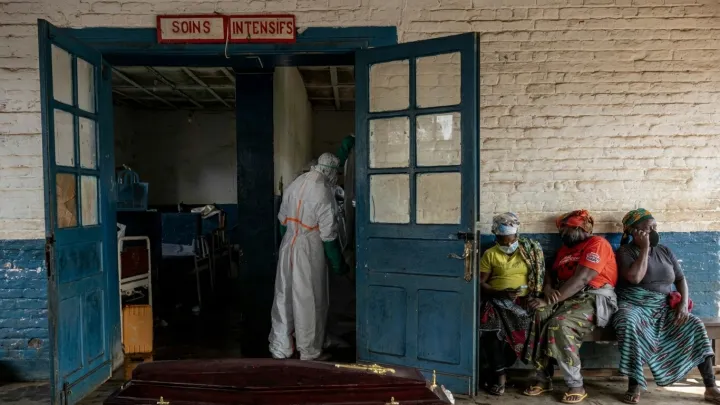
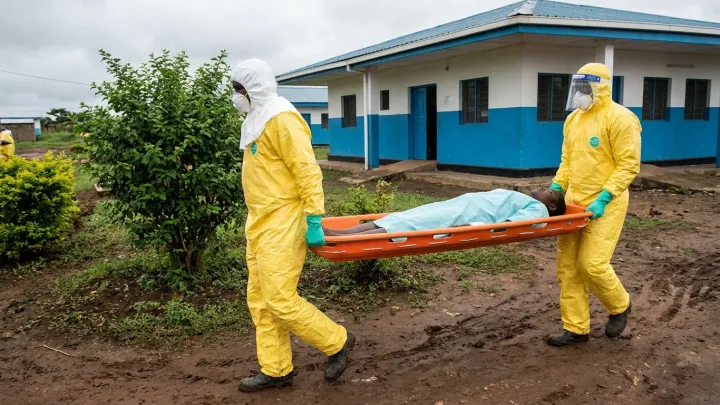
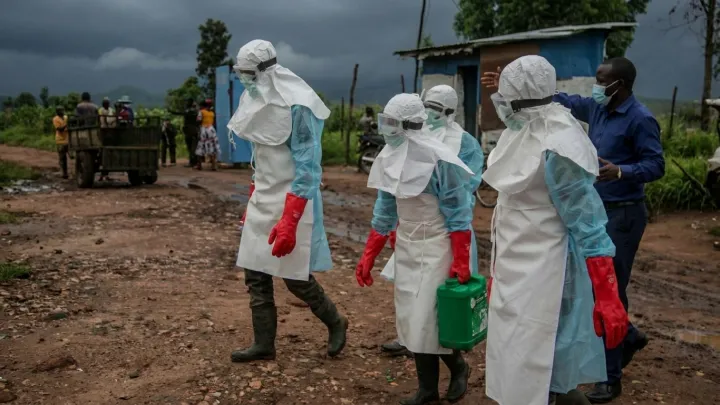
The unsettling truth is that this one patient embodies two parallel stories. On one side stands a well-resourced treatment unit with negative-pressure rooms, rapid polymerase chain reaction testing and teams drilled in infection prevention and control protocols. On the other stand Congolese clinics where health workers face repeated exposure, often without reliable isolation capacity, while the virus exploits gaps in surveillance and public trust.
Stafford’s optimism, then, doubles as quiet criticism of the global response: the science to treat Ebola exists, but its distribution remains selective. His case underscores how quickly the world can mobilize for a foreign aid worker, and how slowly that urgency reaches the neighborhoods where Ebola first finds its hosts.