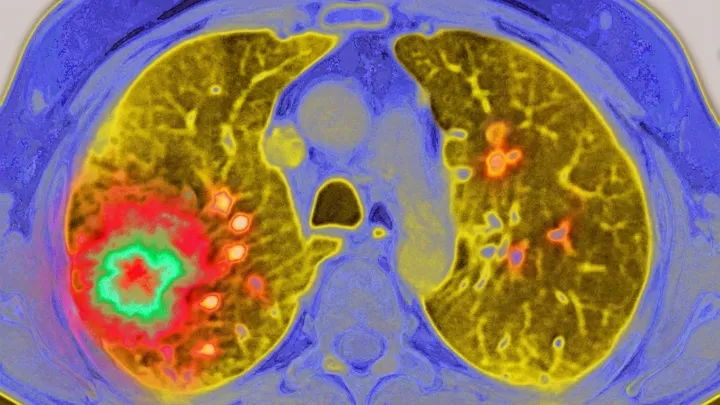
Cancer staging, not weight loss, is the surprise frontier for GLP-1 drugs in new data from the Cleveland Clinic. The analysis reports that patients who began a GLP-1 agonist after a cancer diagnosis were less likely to see their disease advance to stage 4, compared with similar patients who did not receive these agents.
The bold implication is that a class built for glycemic control might be quietly reshaping oncology risk. Researchers reviewed electronic health records of people with obesity or type 2 diabetes and a documented cancer, comparing those prescribed GLP-1 receptor agonists against matched controls. Across several tumor types, initiation of these agents correlated with fewer cases of metastatic progression, even after adjustment for body mass index, insulin use, and other metabolic confounders.
Equally striking is the hint that biology, not just calories, may be at work. GLP-1 receptor signaling is known to influence insulin secretion and systemic inflammation, and both insulin resistance and chronic low-grade inflammation are established drivers of tumor growth and invasion. By dampening hyperinsulinemia and altering cytokine profiles, the drugs may be modifying the tumor microenvironment in ways that slow dissemination, though this mechanism remains speculative.
Still, this is association, not proof. The study is observational, relies on routine clinical coding, and cannot exclude prescribing bias or unmeasured behavior changes among GLP-1 users. Randomized oncology trials, with predefined endpoints such as progression-free survival and metastasis-free survival, would be required before clinicians can treat these injections as anti-cancer tools rather than metabolic ones with an intriguing side effect.