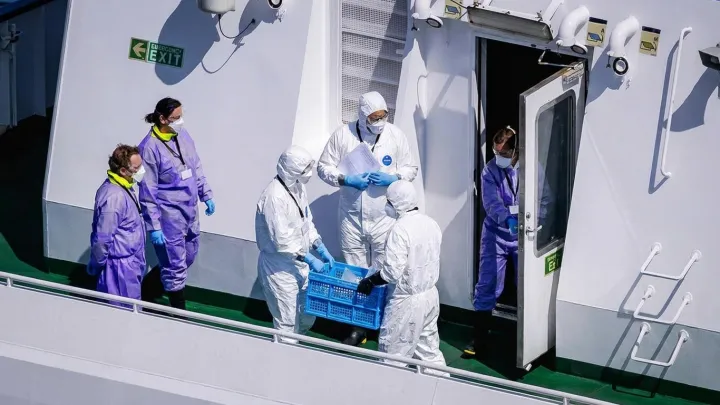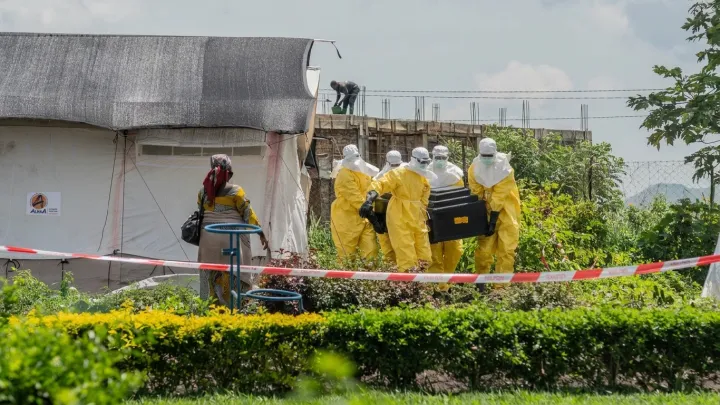
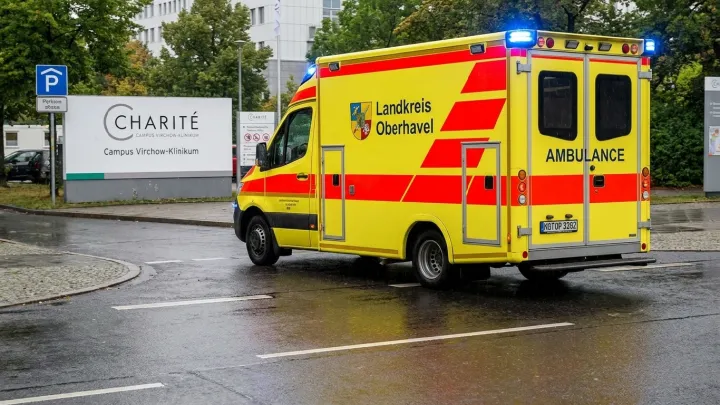
Reluctance, not urgency, defined the first White House response when an American doctor with Ebola sought evacuation to U.S. soil. Inside the administration, officials weighed aeromedical evacuation protocols, biocontainment capacity and public opinion, and the political calculus briefly outweighed the long‑standing duty to retrieve citizens in medical crisis.
That hesitation marks a stark break from the earlier West Africa Ebola response, when U.S. agencies treated medical evacuation almost as a standing obligation backed by clear incident‑command structures and established isolation units. Then, federal leaders framed evacuation as an extension of global health security and infection‑control science; now, the same science collided with fear of domestic backlash and cable‑news imagery of an Ebola patient crossing U.S. borders.
What changed was not virology but politics. The virus still spreads through bodily fluids, still demands negative‑pressure rooms and strict barrier nursing, still yields to the same containment playbook. Yet the instinct at the top shifted from projecting confidence in public‑health infrastructure to avoiding any risk of televised panic, turning one doctor’s transfer request into a quiet stress test of U.S. readiness and resolve.