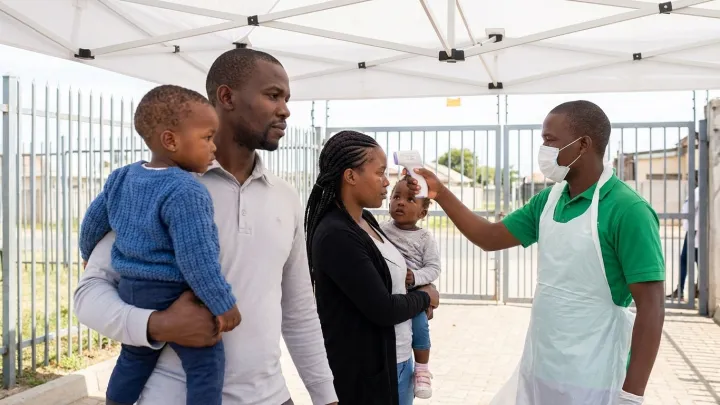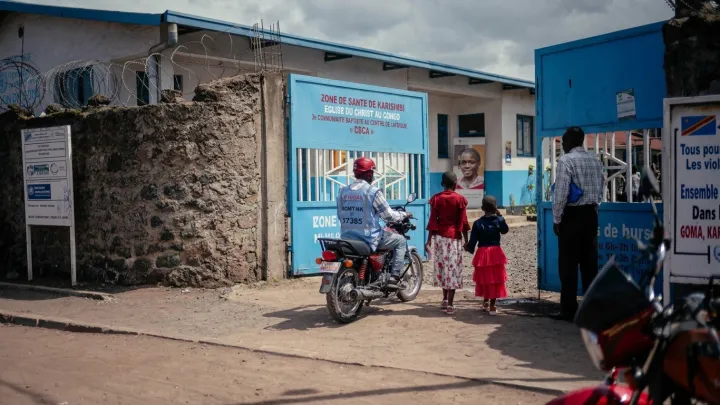
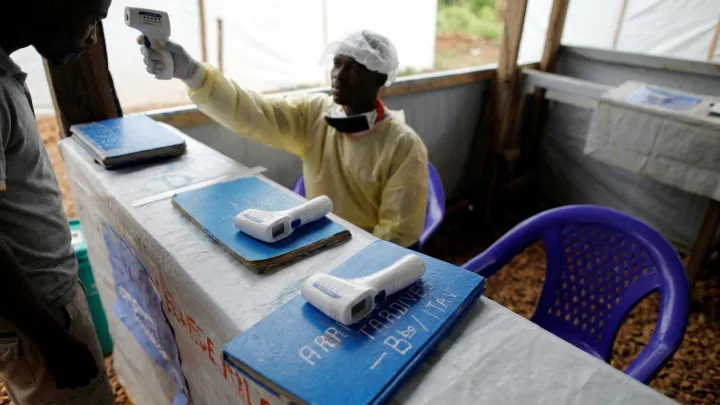
336 suspected infections now define the scale before any policy debate can even begin. The World Health Organization has declared the Ebola outbreak in Congo and Uganda a public health emergency of international concern, a legal category that unlocks funding, data sharing and cross‑border coordination but also exposes how thin regional surveillance still is.
This is not a scattered flare‑up; it is an outbreak anchored in Ituri province, where Africa’s top public health body has linked 88 deaths to suspected Ebola virus disease and traced almost all known cases to Congo, with only two identified across the border in Uganda. That pattern underlines a familiar problem in viral haemorrhagic fever control: containment depends on rapid case isolation and contact tracing, yet insecurity and weak laboratory capacity slow both, giving the pathogen time to move.
The emergency label may sound bureaucratic, yet it carries real epidemiological weight because it can accelerate deployment of reverse transcription polymerase chain reaction testing and experimental vaccine stockpiles, tools that cut transmission when paired with strict infection prevention and control in clinics. What remains uncertain is whether governments and donors will sustain that intensity once headlines shift, or whether this emergency, like others before it, will fade while the virus keeps testing the borders.