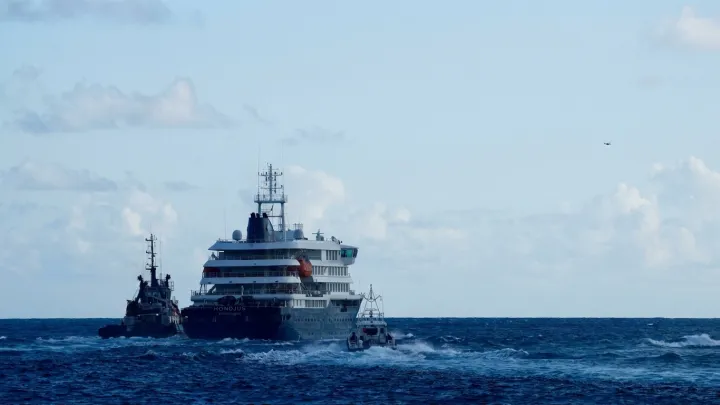

Silence on a cruise deck can be misleading. Behind the calm, Canadian health authorities have confirmed that a passenger from the expedition vessel MV Hondius has tested positive for hantavirus, a rodent borne virus that can cause hantavirus pulmonary syndrome, a severe respiratory condition with high case fatality in some settings.
What sounds like a niche episode is, in fact, a textbook reminder of how tightly controlled travel environments still intersect with zoonotic risk, since hantavirus transmission is linked to inhalation of aerosolized rodent excreta rather than person to person spread in most documented outbreaks, making the suspected exposure site and vector ecology more important than cabin lists or dining room seating charts.
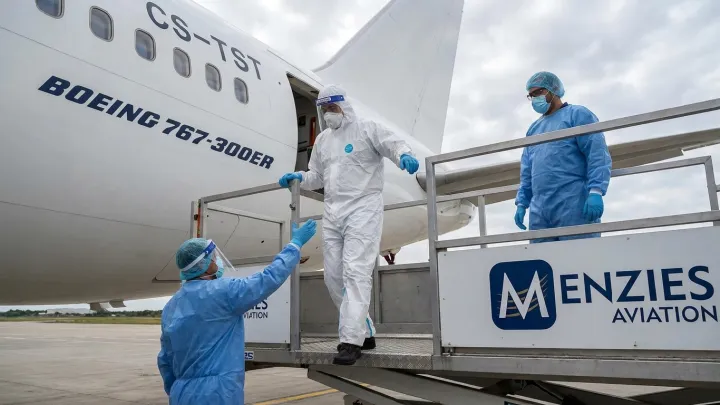
Canadian officials say the infected individual was transferred to hospital care along with their spouse, who has reported mild symptoms and is under clinical observation, while public health teams now balance contact tracing, environmental assessment, and risk communication, using tools such as reverse transcription polymerase chain reaction testing and syndromic surveillance to distinguish a single imported exposure from any wider signal among passengers and crew.