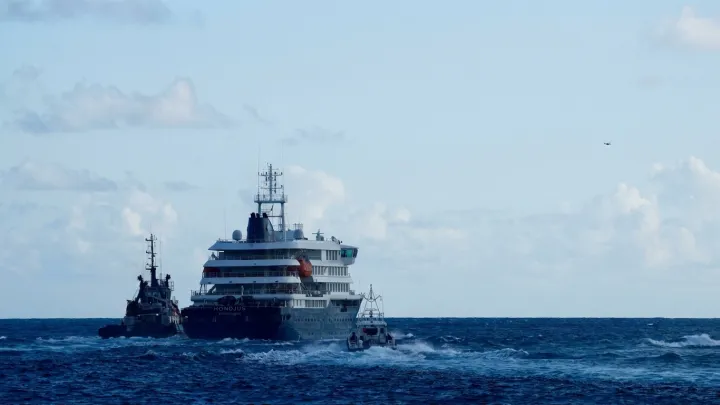
Isolation, not spread, is the message Canadian health officials are pushing as they confirm the country’s first hantavirus case in British Columbia. The infection is linked to the MV Hondius, a cruise vessel already under scrutiny after an outbreak that has been associated with three deaths among passengers.
Public health agencies argue the episode is alarming yet contained, pointing to the biology of hantavirus pulmonary syndrome and the virus’s reliance on aerosolized rodent excreta rather than human‑to‑human transmission. The patient, whose identity is not released, is in isolation under infection‑control protocols designed for viral hemorrhagic fevers and other high‑consequence respiratory infections, even though sustained contagion between people has not been documented in this context.
Officials insist the real story is about surveillance capacity. Environmental sampling on the MV Hondius, contact tracing among passengers and crew, and serologic testing are being used to map exposure pathways and identify any additional cases. The British Columbia Centre for Disease Control and federal partners are advising clinicians to watch for acute febrile illness progressing to respiratory distress, and to request hantavirus serology and polymerase chain reaction testing when recent travel on the vessel is disclosed.