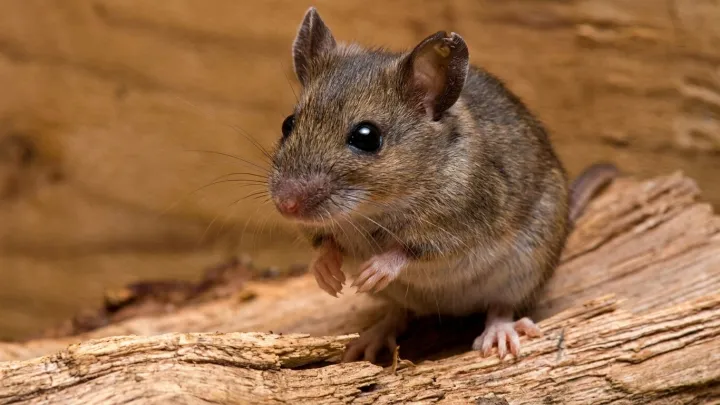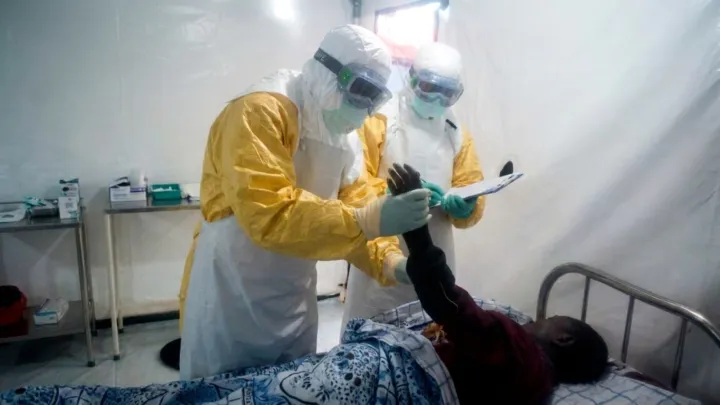
Silence in hospital isolation wards can be deceptive, yet for hantavirus it is now literal: health officials report no known cases in the United States, a rarity for a pathogen tied so closely to human contact with infected rodents and their excreta.
That absence, though reassuring, is not a free pass, because hantavirus remains a zoonotic infection with a defined case fatality rate and a well-documented route of transmission through aerosolized particles from rodent urine, droppings and saliva, a chain of exposure that can reappear whenever surveillance or pest control loosens.
Global assessments echo this restrained optimism, as the World Health Organization continues to rate overall risk as low while still stressing core tools of epidemic intelligence, including syndromic surveillance and laboratory confirmation using serologic assays and polymerase chain reaction testing in reference centers.
The real story hides in that tension between low current incidence and persistent biological potential, because each season of calm tests whether public health systems can maintain rodent monitoring, environmental sanitation and rapid diagnostic capacity without the pressure of active outbreaks.