
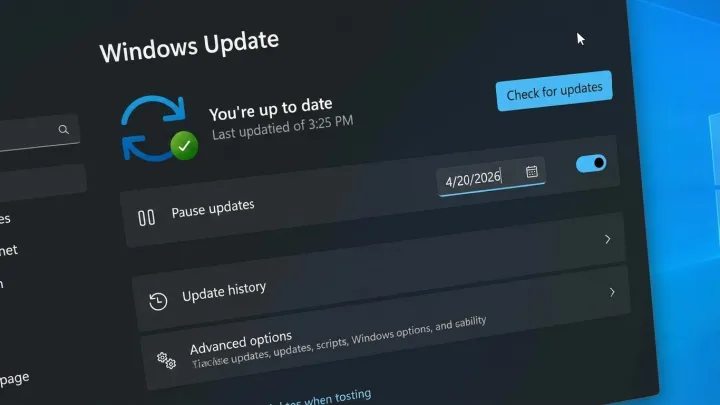
Forced updates just lost their aura of inevitability on Windows 11. The system can now be kept in a holding pattern by repeatedly applying the standard 35‑day pause, a feature once framed as a short breather rather than a standing defense. Each cycle expires, another pause can be triggered, and the update pipeline remains technically intact yet practically stalled.
This shift looks minor in the Settings menu, yet it rewrites the power balance between Microsoft and cautious users. Home editions long lacked granular control such as Group Policy Objects or Windows Server Update Services, which enterprises use to shape deployment rings and compliance windows. By letting general users chain the pause window, Microsoft is handing them a rough, manual version of that policy layer, without exposing the underlying configuration stack.
The tradeoff is obvious and sharp. People wary of driver regressions, compatibility issues, or security patch timing now gain a simple throttle, while Microsoft’s telemetry and patch adoption curves risk more fragmentation and delay. Security guidance still favors timely installation because unpatched code paths and unmitigated vulnerabilities expand attack surface, yet the new behavior quietly confirms what many users already believed: control, even if clumsy, beats blind automation.