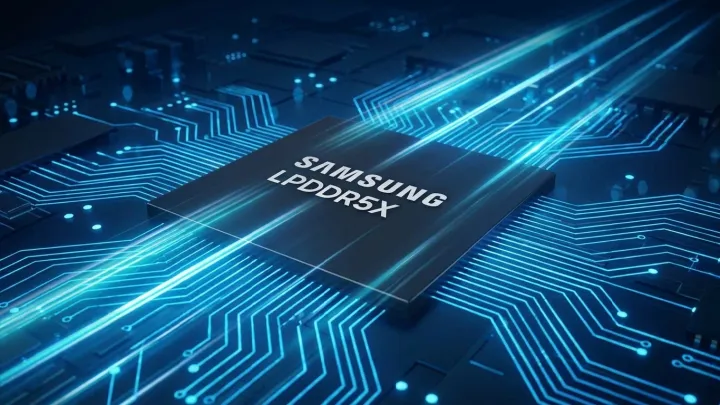
Samsung’s retreat from LPDDR4 looks less like a technical upgrade and more like a balance‑sheet decision under pressure. Production lines are being reoriented toward LPDDR5, where higher average selling prices and better die economics help offset a bruising memory downturn. For contract buyers in smartphones, tablets, and IoT boards, an entire performance tier is silently disappearing from the menu.
The harsh part is how little room this leaves for system designers. LPDDR4 once offered a sweet spot of cost, bandwidth, and acceptable power draw, anchored in mature process nodes and well‑understood JEDEC specifications. Shift that capacity to LPDDR5, with its higher data rates, on‑die termination tweaks and more aggressive low‑power states, and you gain efficiency on paper but lose a cheaper bin that underpinned midrange devices and long‑tail industrial designs.
Worse is the forced choice it creates down the chain. OEMs can pay up for LPDDR5 and revalidate boards, signal‑integrity margins, and firmware power‑management tables, or they can scramble across brokers and smaller fabs for residual LPDDR4 inventory with all the quality and traceability questions that implies. In the quiet retooling of Samsung’s fabs sits a blunt message: profitability now outranks backward compatibility.