
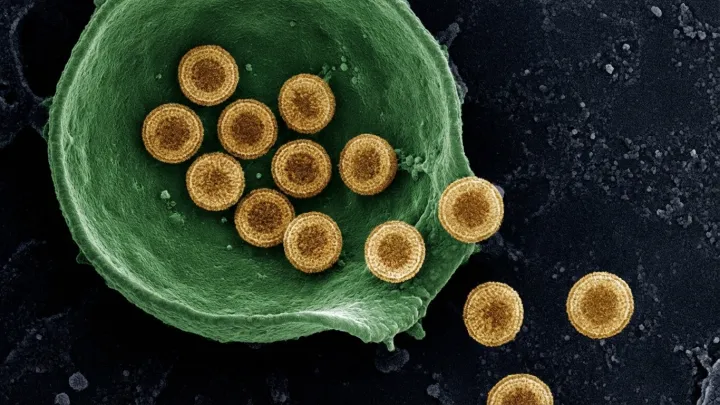
A confirmed rabies case in a skunk has triggered a public health alert in Oakland County after the animal bit a resident. Laboratory testing verified the presence of rabies virus in the skunk’s brain tissue, and health authorities report that the exposed person is receiving medical care.
Officials describe the case as a reminder that rabies remains endemic in wild mammals and can spill over to humans through bites or saliva contact with broken skin. Treatment relies on post-exposure prophylaxis, which combines rabies vaccine and human rabies immune globulin to block viral entry into the central nervous system. Veterinarians emphasize the role of routine pet vaccination in maintaining herd immunity and reducing transmission risk at the human–animal interface.
Health departments urge residents to avoid direct contact with wildlife, especially animals that appear disoriented, unusually tame, or aggressive, and to report any exposures immediately. Pet owners are advised to verify that rabies vaccinations are current and to seek veterinary evaluation after any encounter that breaks the skin. Local agencies state they will continue surveillance of wild animal populations to track rabies circulation and guide future prevention efforts.