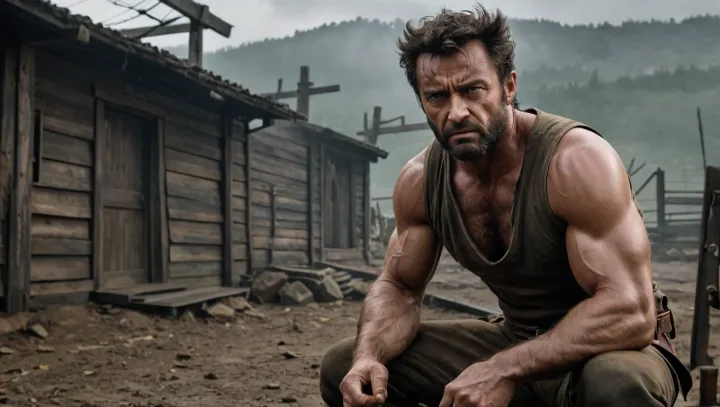
In a portrayal that has captured the attention of cinema audiences worldwide, the harrowing tale of Logan, best known as the Wolverine from the Marvel Comics universe, unfolds on the silver screen depicting his time in a Japanese prisoner of war (POW) camp during the year 1945.
Set against the backdrop of World War II's final year, the film takes viewers into the heart of Nagasaki, Japan, where Logan is held captive alongside his fellow soldiers. The movie provides an intense and personal view of the struggles faced by POWs during one of the most turbulent periods in modern history.
Leading up to the events of his captivity, the narrative explores Logan's resilience and the depths of his character as he endures the harsh conditions of the camp. Audiences witness the emergence of a hero, not only with extraordinary healing abilities but with the willpower and endurance that define the essence of human spirit.
The Wolverine's story is one of survival, and the movie's reception has been a testament to its powerful storytelling and emotional depth. Critics have praised the film for its raw depiction of war and its effects on the individual, making it a standout representation of superhero vulnerability and strength in adverse conditions.
The release of the film coincides with the annual remembrance of World War II's end and serves as a poignant reminder of the sacrifices made by those held in POW camps. It challenges viewers to reflect on themes of forgiveness, redemption, and the indomitable nature of the human spirit, underlining the importance of remembering history's darker chapters.
As the world of entertainment continues to look for ways to tell impactful stories, Logan's time in the POW camp is a stark narrative that blends historical context with the fantastical elements of the superhero genre. The movie is set to continue its successful run in theaters, inviting more viewers on Logan's remarkable journey of survival and self-discovery.