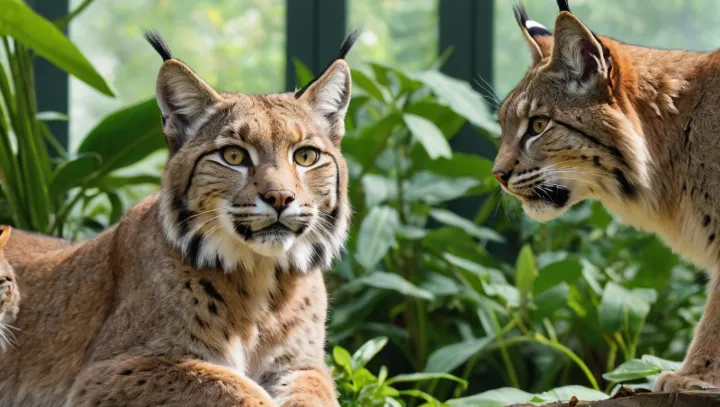
In a recent showcase of animal behavior recognizing Playful Predators, the Elmwood Conservatory revealed fascinating insights about the playful nature of lynxes. Known as solitary creatures, it turns out these Mammals enjoy a social aspect, bonding through play.
During the Elmwood Conservatory's latest interactive experience, visitors witnessed young lynxes chasing each other, a behavior experts say is crucial for their development. This playtime not only reinforces physical skills such as hunting techniques but also establishes key social interactions.
Dr. Emily Hartwell, Elmwood’s lead Mammalogist, explains that play is a vital part of a lynx's daily routine—not just for cubs but for adults as well. It provides mental stimulation and contributes to their overall well-being.
The conservatory stresses the importance of preserving natural habitats for animals like the lynx. With deforestation on the rise, such spaces are becoming scarce, threatening the playful and active lifestyle of these majestic creatures.
As part of their initiative, Elmwood is launching a 'Wild Play' program to raise awareness among visitors. The project aims to provide enriched environments in captivity that mimic natural conditions and encourage natural behaviors.