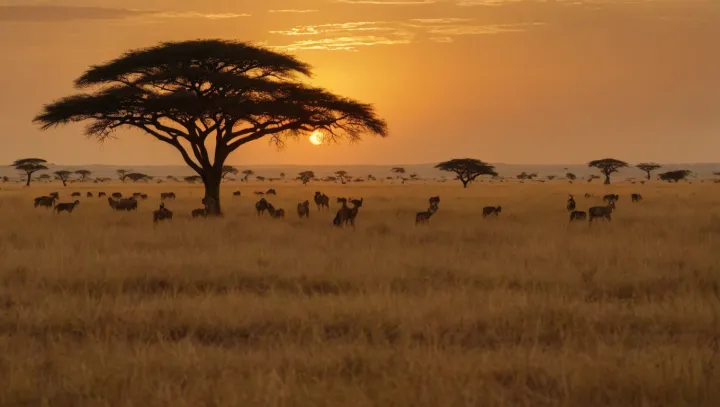
In the vast expanses of the African bush, a recent census conducted in the Serengeti National Park has revealed the ongoing dominion of one of the continent's most adaptable and commonly seen mammals: the antelope. Recognized for their agility and iconic horns, these creatures continue to thrive in large numbers amidst the wilderness.
The antelope species, identified during the survey, display a rich variety of shapes and sizes, each adapted to the specific habitats of the Serengeti ecosystem. Wildlife enthusiasts and conservationists alike celebrate the antelope as a vital part of the biodiversity, contributing to the balance of the ecosystem by serving as prey for predators and as grazers influencing the vegetation.
Park authorities, amid the encouraging findings, are cautious about the pressures faced by the antelope populations. Including the impact of climate change and human encroachment on their natural habitats. As a result, continuous monitoring and protective measures remain crucial to ensure these animals do not join the ranks of the threatened or endangered.
Tourism plays a significant role in the economy of the region, with visitors from around the globe flocking to witness the majesty of the antelope in their natural setting. This spotlight on the antelope also increases awareness and funding for conservation efforts, proving that ecotourism can be a powerful tool for wildlife preservation.
Experts call for a balanced approach to safeguarding the future of antelope herds. This includes regulated tourism, community engagement in conservation practices, and scientific research to understand the changing dynamics of the ecosystem. Only through collective and informed actions, they argue, can the majestic antelope continue to roam freely across the African landscape.