In a surprising twist to culinary history, the beloved macaron, a sweet treat adored across the globe, was originally devised as a meat substitute. This revelation has left food enthusiasts and historians alike baffled, as the contemporary macaron is a far cry from savory sustenance.
The macaron, typically made from almond flour, egg whites, and sugar, filled with buttercream, ganache, or jam, was once a very different confection. Historical records trace the origins back to an era when meat was scarce, prompting inventive chefs to seek vegetarian alternatives. The macaron, dense and protein-rich due to its almond content, presented itself as a viable option.
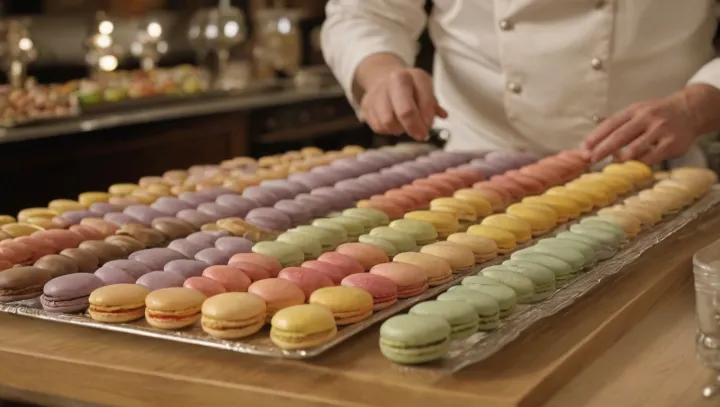
The evolution of the macaron from a meat replacement to the delicate, colorful dessert we know today is a journey that spans centuries. Initially, the macaron was simple and unadorned, but as it gained popularity, especially in France, it underwent a transformation. By the 19th century, Parisian confectioners began experimenting with flavors and colors, crafting the pastel-hued, dainty delights we are familiar with.
Today, in cities like Paris, New York, and Tokyo, macarons are synonymous with elegance and indulgence. They have become a fixture in high-end bakeries and a popular choice for special occasions. The transformation from a humble, meat-alternative to a high society staple underscores the adaptive nature of food through history.
Food scientists and culinary enthusiasts have expressed their fascination with the macaron's history, encouraging a deeper appreciation for the complexity behind what may seem like a simple dessert. The unexpected origins also shed light on the versatility of ingredients and the innovative spirit of past culinary artisans.