
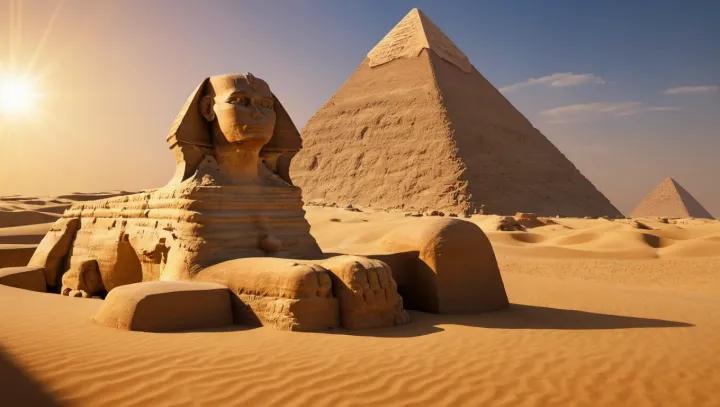
In a recent surge of interest, the iconic pyramids of Giza, close to Cairo, Egypt, have once again captured global attention. Researchers and historians are delving into the enigmatic qualities and architectural marvels of these ancient structures that have stood towering over the Saharan desert for millennia.
Ancient Egyptian pharaohs built these monumental tombs to demonstrate their power and ensure their legacy. The precise alignment and construction techniques used to build the pyramids remain one of history's great puzzles, continuing to inspire awe and scholarly debates.
Lying on the outskirts of Giza, the pyramids are the planet's oldest tourist attraction, drawing millions of visitors intrigued by their grandeur and the secrets they hold. Scholars have long pondered over the apparent astronomical associations, with the Great Pyramid's sides closely aligned with the cardinal points of the compass.
Modern scanning technologies have unveiled hidden chambers and passageways in recent times, raising questions and speculations about the true purposes of these spaces. The discovery of new cavities within the largest pyramid, known as Khufu's Pyramid or the Great Pyramid, has reignited discussions on ancient Egyptian rituals and the pharaohs' preparation for the afterlife.
While these architectural wonders symbolize the rich history of ancient Egypt, they also serve as a reminder of human ingenuity and the unrelenting spirit of curiosity. Scientists, tourists, and adventurers continue to flock to the desert to witness the magnificence of the pyramids and perhaps unlock more of their age-old secrets.
The ongoing study of the pyramids is not just a pursuit of historical understanding; it's a multifaceted journey that brings together fields ranging from archaeology and engineering to astronomy and metaphysics. Each finding adds to the treasure trove of knowledge surrounding these enigmatic structures and continues to position Egypt as a leading destination for cultural and historical tourism.